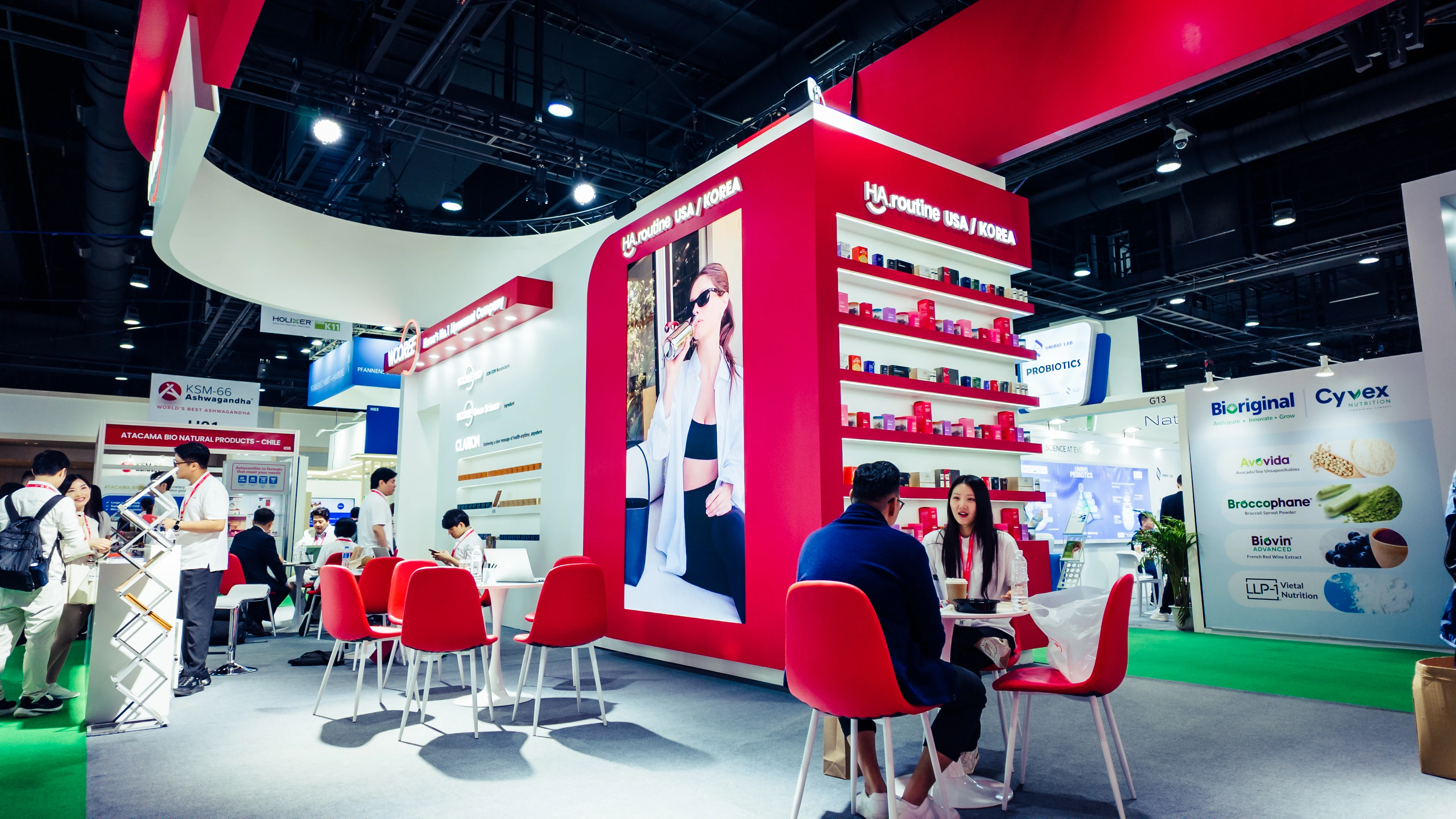
Effective exhibition booth design prioritizes clear layouts that guide visitor flow and balance functional zones like demos and seating. Visual impact relies on bold graphics, coherent colors, and high-quality imagery, supported by strategic signage for easy navigation. Layered lighting enhances atmosphere and highlights key elements without glare. Interactive features such as touchscreens and physical demos boost engagement. Efficient setup and staff positioning guarantee smooth operations. Much more insight on optimizing every aspect awaits those seeking to elevate their event presence.

Plan Your Exhibition Booth Layout for Maximum Impact
When designing an exhibition booth layout for maximum impact, careful consideration of spatial arrangement and visual flow is essential.
The layout should optimize visitor movement, guiding attendees naturally through the space without congestion. Key elements include clear entry and exit points, strategically placed focal areas, and open zones that invite exploration.
Balancing functional zones—such as demonstration areas Upstage Expo, seating, and storage—ensures operational efficiency while maintaining an inviting atmosphere. Proportions should reflect the booth’s size, avoiding overcrowding or excessive emptiness.
Incorporating vertical space thoughtfully can enhance visibility without overwhelming the floor plan.
Ultimately, a well-planned layout empowers exhibitors to engage visitors freely, encouraging interaction and creating a memorable experience grounded in seamless navigation and spatial harmony.
Choose Visual Elements for Your Exhibition Booth
Careful selection of visual elements plays a crucial role in capturing attention and conveying a brand’s message effectively within an exhibition booth. Key components include bold graphics, consistent color schemes, and clear typography that align with the brand identity.
Incorporating high-resolution images or digital displays enhances visual storytelling, engaging visitors instantly. Materials and textures should complement the overall design, adding depth and tactile appeal without overwhelming the space.
Signage must be strategically placed for maximum visibility and quick comprehension. Visual hierarchy guides visitors naturally through the booth, emphasizing essential information first.
Choosing elements that balance creativity with clarity supports a memorable experience while allowing freedom in expression. This thoughtful curation guarantees the booth stands out distinctly in a competitive exhibition environment.
Use Lighting to Make Your Exhibition Booth Inviting
Effective lighting consistently transforms an exhibition booth into an inviting and dynamic space that attracts visitors. Strategic use of ambient, accent, and task lighting creates layered illumination that highlights key features without overwhelming the senses.
Warm tones foster a welcoming atmosphere, while adjustable fixtures allow for flexibility in different lighting conditions. Spotlights can emphasize product displays or branding elements, directing attention precisely where desired. Incorporating LED strips along edges or under counters adds modern flair and depth, enhancing the booth’s visual appeal.
Balanced brightness prevents glare and shadows, ensuring comfort and clear visibility. Thoughtful lighting design integrates seamlessly with other visual elements, elevating the overall aesthetic and encouraging visitors to explore freely. Ultimately, lighting choices play a pivotal role in making the booth approachable and memorable.

Add Interactive Features to Engage Visitors at Your Booth
Lighting sets the stage for an engaging exhibition booth, but adding interactive features transforms the space into a memorable experience that actively involves visitors. Incorporating touchscreens allows attendees to explore products or services at their own pace, creating an immersive journey. Virtual reality stations offer a dynamic way to showcase offerings, providing a sense of freedom and exploration.
Interactive games or quizzes can attract attention while educating visitors, encouraging longer engagement. Physical elements like product demos or hands-on samples invite tactile interaction, enhancing connection and retention. Clear signage and intuitive layouts guarantee ease of use, preventing frustration.
These features not only captivate but also empower visitors to navigate the booth experience independently, fostering a deeper, personalized connection with the brand.
Set Up and Manage Your Exhibition Booth for Success
When preparing an exhibition booth, meticulous planning of the setup process guarantees a seamless and professional presentation. Organizers should coordinate logistics, assuring all materials arrive on time and are arranged according to a pre-designed floor plan.
Clear signage and lighting must be positioned to maximize visibility, drawing visitors effortlessly. Equipment setup, including digital displays and interactive elements, requires testing before the event begins to avoid technical issues.
Staff placement should encourage open engagement, allowing freedom of movement and easy access to information. Throughout the event, continuous management involves monitoring visitor flow, replenishing promotional materials, and maintaining cleanliness.
Efficient breakdown procedures post-event help protect assets and streamline transportation. A well-executed setup and management strategy assures the booth functions smoothly, leaving a lasting, positive impression on attendees.
Conclusion
Effective exhibition booth design combines strategic layout, compelling visuals, and inviting lighting to capture attention. Integrating interactive features enhances visitor engagement, creating memorable brand experiences. Careful planning and management guarantee the booth operates smoothly, maximizing impact and return on investment. By focusing on these essential elements, even beginners can create a visually appealing, functional, and dynamic exhibition space that stands out in a competitive event environment.
…