Environmental Testing With Ultrapure Water: Lab Alliance Systems

When you conduct environmental testing, the purity of your water can make or break your results. Contaminants in water often lead to inaccurate data and costly retests. Lab Alliance Systems offers a solution that combines advanced filtration with real-time monitoring, ensuring consistently Ultrapure water. But how exactly does their approach tackle the common challenges labs face, and what impact does it have on meeting strict regulatory standards?

Achieving Maximum Purity With Lab Alliance Ultrapure Water Systems –  Memories At Tradition

Why Ultrapure Water Matters in Environmental Testing

Although it might seem like any water will do, using ultrapure water is crucial in environmental testing because it prevents contamination that could skew your results.

When you rely on ultrapure water, you eliminate impurities like dissolved solids, organic compounds, and microbes that can interfere with sensitive analyses.

This level of purity ensures your data is accurate and trustworthy, giving you the freedom to make confident decisions based on real environmental conditions.

You’re not just testing samples—you’re protecting the integrity of your work.

By choosing ultrapure water, you avoid unexpected variables and maintain consistency across tests, freeing yourself from doubts about contamination.

This precision empowers you to explore environmental challenges with clarity, knowing your testing foundation is as clean and reliable as possible.

Common Water Purity Challenges Faced by Environmental Labs

Using ultrapure water sets a high standard for your environmental testing, but achieving and maintaining that level of purity isn’t always straightforward.

You’ll face challenges like microbial contamination, which can skew results if not controlled. Trace organic compounds and dissolved gases sneak in, affecting sensitive assays. Plus, system materials may leach ions, compromising water quality over time.

You’ll need to watch for sudden purity drops caused by equipment aging or inconsistent maintenance. Even storage conditions matter—exposure to air or improper containers can introduce impurities.

Staying vigilant is key, as these hurdles can limit your freedom to trust your data fully. Understanding these challenges helps you anticipate and tackle them before they impact your testing’s accuracy.

How Lab Alliance Systems Ensure Ultrapure Water Quality

Lab Alliance systems tackle the toughest water purity challenges head-on to deliver ultrapure water you can trust for your environmental testing. They combine advanced filtration, real-time monitoring, and automated controls so you gain freedom from contamination worries.

Here’s how they do it:

  • Multi-stage filtration: Removes particles, organics, and ions to meet stringent purity levels.
  • Continuous quality monitoring: Tracks conductivity, resistivity, and microbial levels, alerting you instantly if anything’s off.
  • Automated maintenance: Ensures system components stay clean and functional without constant manual intervention.

With Lab Alliance, you get ultrapure water that empowers your lab’s accuracy and reliability. You can focus on your testing, knowing the water quality won’t hold you back or compromise your results. This freedom lets you push boundaries and achieve better environmental insights every day.

Ultra-Pure Water Testing | ULTRA-PURE WATER testing

Meeting Regulatory Standards With Lab Alliance Solutions

When you need to meet strict regulatory standards, Lab Alliance solutions provide the precise control and documentation required to stay compliant. You’ll enjoy seamless integration with your existing systems, ensuring every ultrapure water sample meets or exceeds regulatory thresholds.

Lab Alliance’s automated monitoring tracks water quality in real time, so you won’t have to worry about manual checks slowing you down. Plus, detailed reports simplify audits, giving you full transparency without extra hassle.

Real Benefits of Ultrapure Water for Accurate Environmental Testing

Achieving compliance is just the start—ultrapure water plays a direct role in enhancing the accuracy of your environmental tests.

When you use ultrapure water, you eliminate contaminants that could skew results, giving you true data you can trust.

This freedom from interference means you can:

  • Detect trace pollutants with greater confidence
  • Avoid costly retests caused by impurities
  • Ensure consistency across different testing batches

Conclusion

When you rely on Lab Alliance Systems for ultrapure water, you get consistent, contamination-free results that make your environmental testing more accurate and trustworthy. Their multi-stage filtration and real-time monitoring help you meet strict regulatory standards without hassle. By reducing the risk of retests and preserving sample integrity, you’ll save time and costs while confidently detecting even trace pollutants. With Lab Alliance, you can focus on what matters most—delivering reliable data every time.

Are Rat Repellents Worth It? iGreenAsia Explains

If you’re dealing with rats, you might wonder if repellents are really worth your time and money. While devices like ultrasonic emitters or scent-based solutions can make your space less inviting, they rarely eliminate the problem by themselves rat repellent spray. Combining repellents with proper sanitation and sealing entry points improves results, but in persistent cases, you’ll need to consider more reliable options. Understanding when and how repellents work can help you decide your next move.

Rat Repellent for Homes: Proven Ways to Keep Rats Out for Good | FORO AEBE

How Rat Repellents Work

When you set out to use rat repellents, you need to understand how they actually work to keep rodents at bay https://igreenasia.com/. These products rely on disrupting the rat’s natural behaviors—primarily their senses. Most repellents target smell or sound, creating an environment rats find uncomfortable or threatening.

For example, scent-based repellents use strong odors that irritate a rat’s sensitive nose, driving them away without harm. Ultrasonic repellents emit high-frequency sounds beyond your hearing range but intolerable to rats, encouraging them to vacate the area.

Most Effective Types of Rat Repellents

Understanding how rat repellents disrupt rodent behavior sets the stage for choosing the most effective options. You’ll find ultrasonic repellents useful—they emit high-frequency sounds that irritate rats without bothering humans or pets.

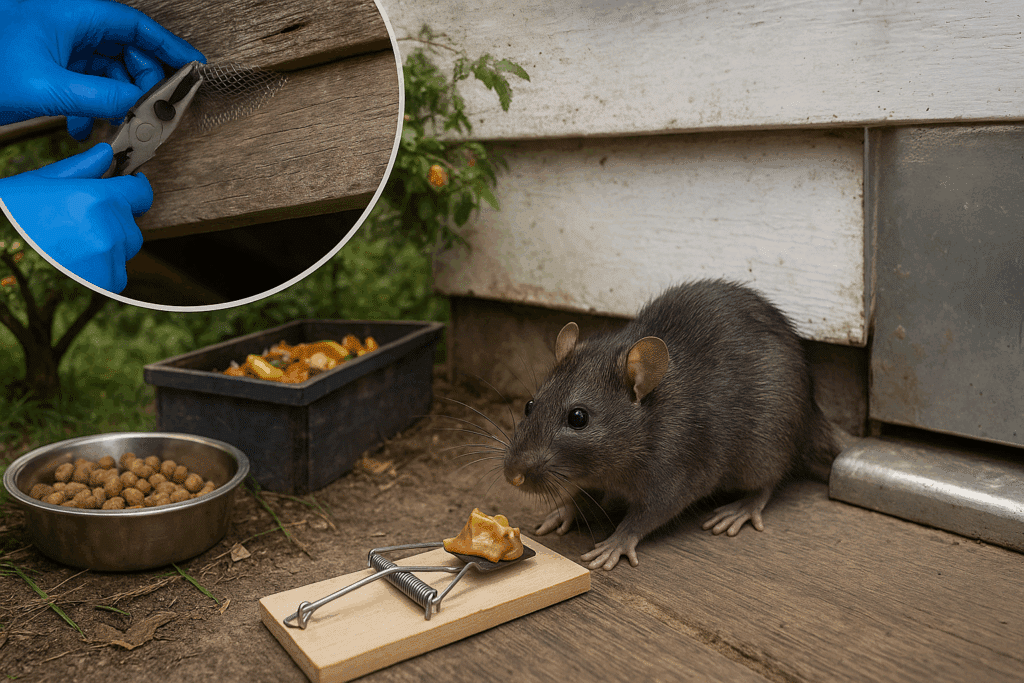
Another effective type is natural repellents, like peppermint oil or ammonia, which target rats’ sensitive noses and discourage them from settling in your space. You can also use physical barriers, such as steel wool or mesh, to block entry points, preventing rats from infiltrating your home.

Combining repellents with sanitation and sealing gaps maximizes your freedom from rodent interference. Remember, no single method guarantees total success, but selecting repellents based on how they interfere with rats’ senses gives you the best chance at maintaining a rat-free environment.

When Rat Repellents Fall Short

Although rat repellents can be effective in many cases, they don’t always provide a foolproof solution. You might find that some repellents lose effectiveness over time as rats become accustomed to the stimuli.

Environmental factors like rain, wind, or heavy foot traffic can diminish the repellent’s potency, requiring frequent reapplication or adjustments. Also, repellents typically target specific senses—sound, smell, or taste—which means rats may bypass them if one sense is less stimulated.

If your property offers abundant food, water, or shelter, repellents alone won’t solve the problem. Understanding these limitations helps you set realistic expectations and avoid relying solely on repellents.

You need to monitor results closely and be ready to adapt your approach when repellents fall short.

Forget old rat traps and try these 6 natural repellents to keep rats out of  your kitchen | - Times of India

Alternative Long-Term Rat Control Strategies

Since relying solely on rat repellents often falls short, you need to explore alternative long-term control strategies that address the root causes of infestation.

Start by sealing all entry points—rats squeeze through tiny gaps, so inspect walls, vents, and pipes closely.

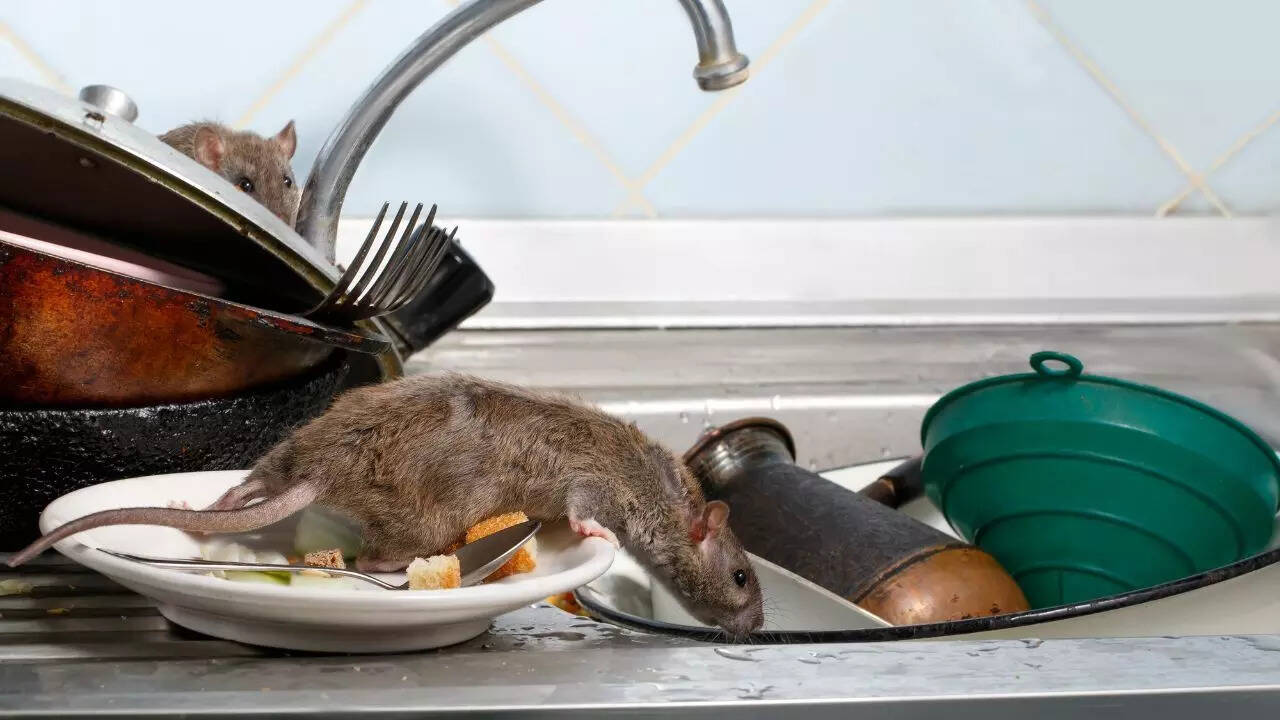
Next, eliminate food and water sources by securing trash bins, cleaning up crumbs, and fixing leaks.

You should also maintain your property by trimming vegetation and removing debris where rats hide.

Consider installing traps strategically to reduce populations gradually without harmful chemicals.

For comprehensive results, combine these steps consistently, ensuring you disrupt the rats’ habitat and survival chances.

This approach grants you lasting control and the freedom to enjoy your space without recurring rat problems.

How to Choose the Best Rat Control Method

When selecting the best rat control method, you need to consider the severity of the infestation, the environment where rats are present, and your safety preferences. For minor problems, traps or natural repellents may suffice, allowing you to maintain control without harsh chemicals.

In extensive infestations, professional extermination could be necessary to reclaim your space effectively. Think about where rats nest—indoors, outdoors, or both—as this influences your approach.

If children or pets are around, prioritize non-toxic options. Also, assess how quickly you need results; traps offer immediate removal, while repellents work gradually.

Ultimately, choose a method that aligns with your lifestyle, ensures safety, and offers lasting freedom from rodents. Balancing effectiveness with personal values is key to regaining control confidently.

Conclusion

Rat repellents can help you manage minor rat problems, especially when you combine them with good sanitation and sealing entry points. However, relying on repellents alone won’t guarantee total elimination, as their effectiveness fades over time and with abundant food or shelter. For lasting control, use repellents as part of a broader strategy, including traps or professional services. Choose methods based on your infestation’s severity to protect your space effectively.