
A burning sensation in the feet can be benign or signal a serious condition. Short-lived discomfort after standing or new shoes often improves with rest, cooling, and preventive footwear. Concerning features include progressive or nocturnal pain, persistent numbness, weakness, skin breakdown, systemic signs your mobile podiatrist, or ischemic rest pain. Common causes are distal neuropathy, tarsal tunnel, athlete’s foot, and peripheral arterial disease; less common causes include drugs, toxins, autoimmune and metabolic disorders. Continue for tests, treatments, and referral guidance.
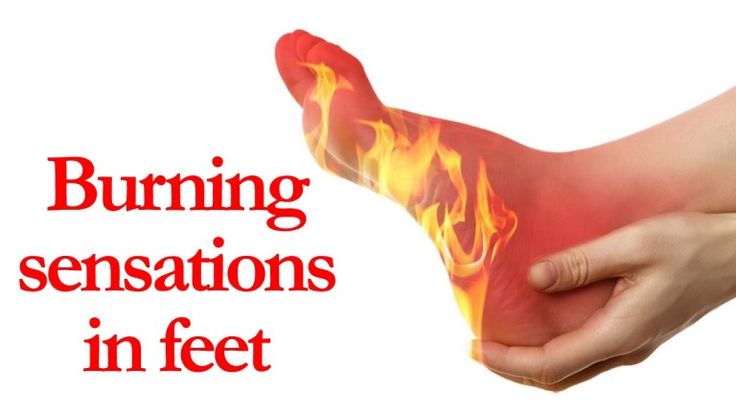
How to Tell If Your Burning Feet Are Harmless or Serious
How can one differentiate between a transient, benign burning sensation and a symptom that warrants medical evaluation? The clinician considers duration, onset pattern, associated signs, and functional impact.
Short-lived burning after prolonged standing or new footwear often resolves; a focused footwear assessment and observation for temporary numbness help confirm mechanical causes.
Concerning features prompting evaluation include progressive intensity, nocturnal pain, persistent sensory loss, weakness, skin breakdown https://peoplepodiatry.com.au/, or systemic symptoms (fever, weight loss).
Objective testing—neurologic exam, vascular assessment, and targeted labs—follows when red flags appear.
Management priorities are risk stratification, conservative measures for likely benign causes, and expedited referral for signs suggesting neuropathy, infection, or vascular compromise.
Recommendations emphasize patient autonomy in seeking timely care.
Common Causes of Burning Feet and How They Feel (Neuropathy, Athlete’s Foot, Circulation)
After outlining features that distinguish benign from worrisome burning sensations, attention turns to the common etiologies and their characteristic presentations.
Peripheral neuropathy, especially diabetic neuropathy, produces symmetric, distal burning, numbness, and night exacerbation; sensory loss and reduced reflexes may accompany it.
Tarsal tunnel causes localized burning along the plantar medial foot, often with shooting pains and positive Tinel sign.
Athlete’s foot presents with superficial burning, itching, scaling between toes or on soles, and often visible erythema or fissures.
Peripheral arterial disease yields burning with exertion, relieved by rest, and may coexist with cold, pale skin and diminished pulses.
Recognition focuses on distribution, timing, provoking factors, and objective signs to guide diagnosis and prompt appropriate interventions that preserve mobility and autonomy.
Less Common Causes and Contributing Factors (Medications, Toxins, Autoimmune and Metabolic Disorders)
Recognizing less common causes of burning feet requires systematically reviewing exposures, comorbidities, and laboratory data, because medications, toxins, autoimmune conditions, and metabolic disorders can produce neuropathic or inflammatory pain patterns that mimic more common etiologies.
Clinicians should consider drug induced neuropathy from chemotherapeutics, antivirals, or high-dose antibiotics; onset, temporal relationship to drug exposure, and dose adjustments guide causality.
Heavy metal toxicity (arsenic, lead) and occupational solvent exposure warrant targeted history and blood/urine testing.
Autoimmune disorders (small-fiber vasculitis, Sjögren syndrome) produce inflammatory neuropathy detectable by serology and, if needed, skin biopsy.
Metabolic contributors such as uncontrolled thyroid disease, uremia, or vitamin B12 deficiency should be screened routinely.
Management prioritizes removing offending agents, treating underlying disease, and specialist referral when diagnostics are inconclusive.

Simple Home Care and When Symptoms Improve With Self-Treatment
When less common medical and toxic causes have been reasonably excluded or addressed, many patients with burning feet can be managed initially with simple home measures that focus on symptom relief, skin care, and minimization of provoking factors.
Initial steps include RICE therapy elements adapted for feet—rest, elevation to reduce edema, intermittent immobilization if aggravated by activity, and controlled cool soaks to ease discomfort.
Emollients and nonirritating cleansers preserve skin barrier; breathable footwear and moisture-wicking socks reduce friction and maceration.
Over-the-counter analgesics and topical agents may provide short-term relief.
Improvement is typically evident within days to a few weeks: decreased nocturnal pain, reduced hypersensitivity, and ability to resume usual activities.
Persistent, progressive, or neuropathic-pattern symptoms warrant professional evaluation.
Red Flags and What to Do: Tests, Treatments, and When to See a Doctor
How should a clinician distinguish routine burning-foot complaints from those requiring urgent evaluation? Clinicians should screen for urgent warning signs: acute onset, rapid progression, motor weakness, systemic features (fever, sepsis), ischemic pain, wounds with infection, or sudden sensory loss. If present, initiate prompt testing options—vascular Doppler, urgent neurophysiology, glucose/HbA1c, inflammatory markers, and wound culture.
For nonurgent but persistent symptoms, consider baseline nerve conduction, skin biopsy, and autoimmune panels. Treatment timelines must be explicit: acute threats managed immediately; neuropathic pain trials reassessed at 4–8 weeks; disease-modifying therapies within months when indicated.
Document clear criteria for specialist referrals (vascular surgery, neurology, endocrinology, infectious disease). Provide patient-centered discharge instructions emphasizing return precautions and attainable self-management goals.
Conclusion
Burning sensations in the feet warrant a measured approach: most cases respond to targeted self-care or treatment of common causes such as neuropathy, fungal infection, or poor circulation. Persistent, progressive, bilateral, or neurologically associated pain—or symptoms accompanied by systemic signs—should prompt medical evaluation. Clinicians will use history, exam, and selective testing to identify metabolic, toxic, autoimmune, or vascular etiologies and institute disease-specific therapies. Early recognition optimizes symptom control and prevents complications.